
Safepoint has launched a new Out-of-Hours Escalation feature, giving organisations greater control over how lone worker alerts are escalated outside of standard working patterns.
The new capability allows teams to apply a separate escalation schedule, ensuring alerts are escalated to the most appropriate contacts depending on when an incident occurs. This means organisations can automatically route alerts to different people during evenings, overnight periods, weekends, or any other defined timeframes.
Out-of-Hours Escalation has been one of the most frequently requested improvements from Safepoint customers and is now live across the platform.
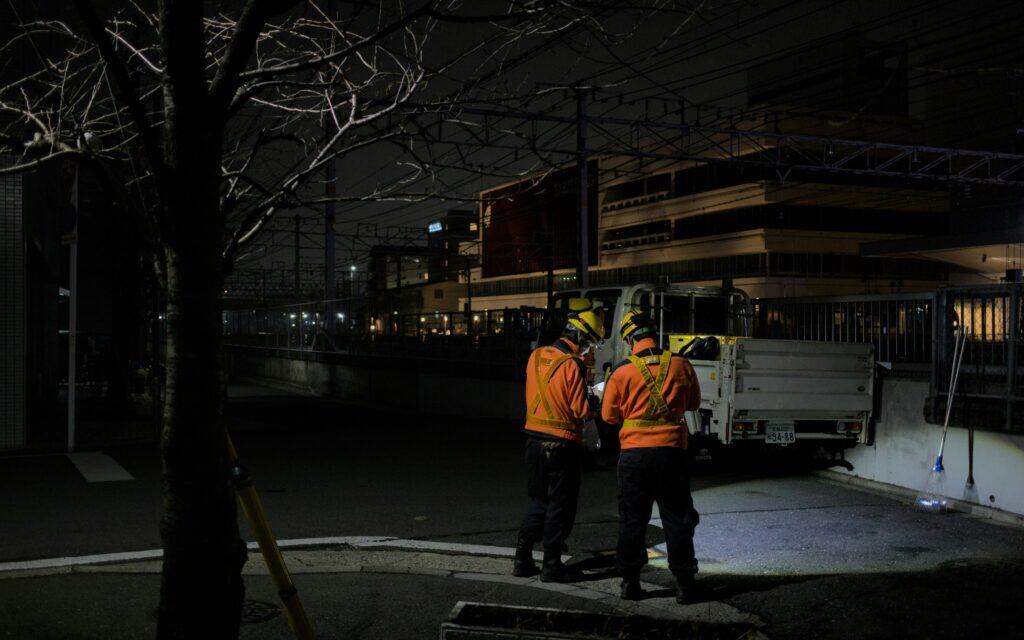
Many organisations rely on escalation contact lists that work well during normal business hours but are less effective outside of them. Managers, supervisors, or office-based staff may finish work in the early evening, while security teams, control rooms, or external response partners take responsibility at other times.
Previously, escalation contacts remained the same regardless of the time an alert was raised. This could lead to delays if alerts were escalated to people who were no longer available.
Out-of-Hours Escalation solves this by allowing organisations to define when alternative escalation contacts should be used. For example, a business may escalate alerts to site managers during the day, then automatically switch to a security team or monitoring hub overnight or at weekends. The change happens automatically, without the need for manual updates.
This creates a more dynamic and reliable escalation process that better reflects how teams actually operate.
Out-of-Hours Escalation is configured on a team-by-team basis within the Safepoint web portal. Instead of setting a single “out-of-hours” window, teams define a schedule that determines when different escalation contact lists apply.
This approach allows organisations to align escalation behaviour with real working patterns, including shift-based teams, rotating cover, or weekend-only support.
The feature sits directly alongside existing escalation contact settings, making it familiar and easy to manage for administrators. It can be enabled, disabled, or updated at any time, giving teams the flexibility to adapt as staffing or operational requirements change.
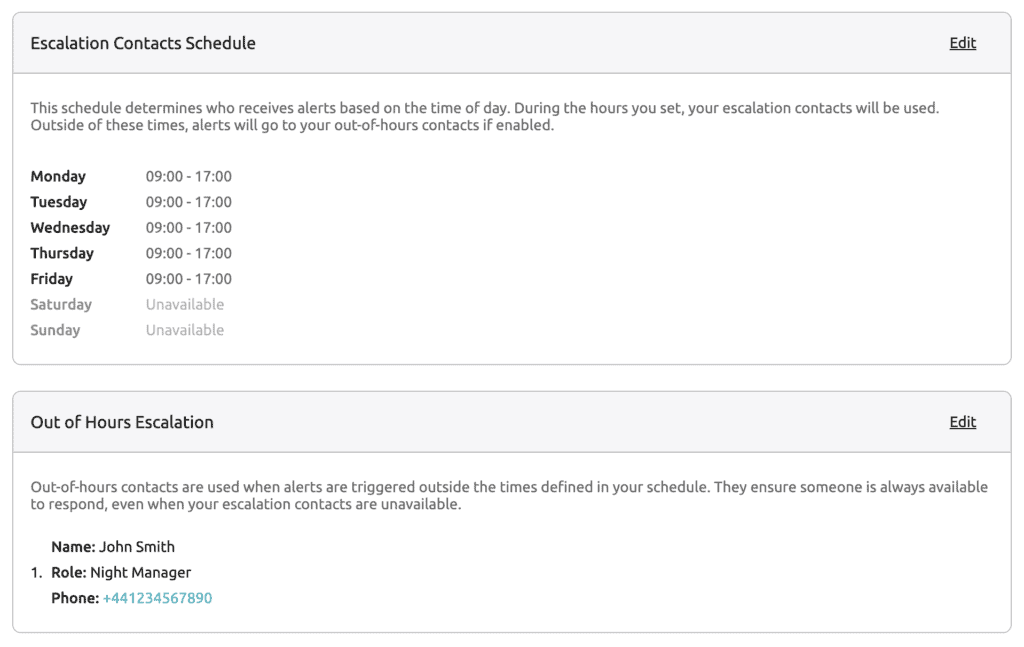
Out-of-Hours Escalation enhances how alerts are routed internally, but it does not change how Safepoint’s 24/7 monitoring team responds to incidents.
All alerts triggered via the Safepoint lone worker app or lone worker device continue to be received and handled by Safepoint’s monitoring centre in exactly the same way. The new feature simply determines who those alerts may be escalated to on the customer’s side, based on the defined schedule.
This ensures organisations can improve their internal response workflows without impacting existing monitored plans or escalation procedures.
Effective escalation is a critical part of lone worker safety, particularly for organisations operating outside standard hours. By ensuring alerts are escalated to people who are available and prepared to respond, Out-of-Hours Escalation helps reduce delays and improve response outcomes.
Whether supporting engineers, security staff, healthcare workers, or other lone and isolated workers operating at night or over weekends, the feature adds another layer of control and reliability to Safepoint’s wider safety platform.
Out-of-Hours Escalation is now available to all customers and can be enabled within team settings in the Safepoint web portal.
You can find out how to configure Out-of-Hours Escalation in the support guide here.


